Fuse Jewelry
How Austin's Fuse Jewelry Is Competing With Big Jewelry Chains
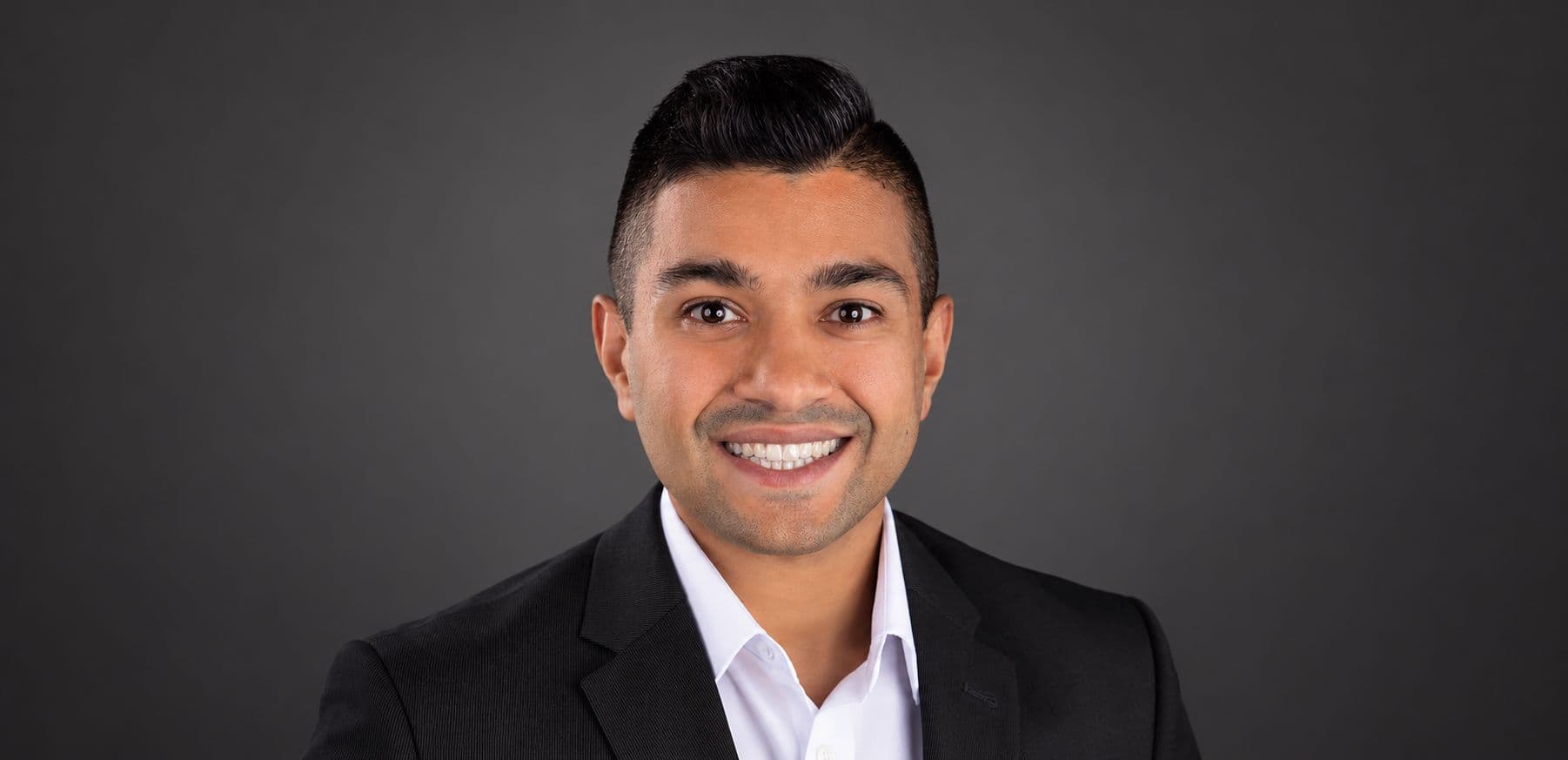
This week's Founder Friday features a jeweler who went from selling online to building a business around something traditional retail often struggles to offer: a truly personal experience.
Aasim Sayani started Fuse Jewelry as an online-only business roughly six years ago. After experimenting with social media marketing and struggling to get traction, he realized that selling custom, high-ticket jewelry required something more than product photos.
So he and his wife opened a private jewelry showroom in Austin, where customers can select their own stones, collaborate on designs, and create pieces tailored to exactly what they want.
What founders can steal from this:
- Personalization can help smaller businesses compete against established brands
- Build customer trust with proof like appraisals, accreditation, and insurance
- Forge relationships with key players like accountants and manufacturers so they go the extra mile
Here's what Aasim shared about building Fuse Jewelry.
What is Fuse Jewelry, and how did it start?
We have a retail brick and mortar store here in Austin. It's not a traditional setup. It's a private office setting, so it's an exclusive experience where you come in and design your jewelry based on whatever you want. You can literally pick the stones from the showcase that you want. That tailored it in a way that people weren't used to. Yes, you can go online and pick your stones, but how many of those can you see in person? And how many can you actually put together and get the elements that you want?
Brick and mortar for us was the way to connect with people. It was a way to bring back to the community. And Austin for us is home and it will always be home.
It was a way for us to build home too, because we were originally an online-only business. We started in San Francisco about 6 years ago, then we moved to San Diego, where we almost opened a brick-and-mortar store. Then we left because of my job to come out here to Texas. And then we finally decided that we're going to go full send and we're going to open it. It doesn't matter what it takes.
How is a custom jeweler different from a traditional one?
With a traditional jeweler, you go in, you buy their inventory, and it is what it is. For us, it's very different. We take it one step at a time. We don't need to rush anything, as long as your wedding's not next week, and we do have clients that reach out like that. We can do both, which has been really fun: really quick, high-quality work, but also taking our time and really enjoying the process.
Our clients really enjoy the experience. That's been our consistent feedback, and we have the metrics to show it: zero returns since we started is unheard of in the jewelry business. I'm knocking on wood that it stays that way. It shows when we do events and we're actually with people, rather than being jewelers behind a screen selling merchandise from other wholesalers or manufacturers. We can do that too, of course, but our add-on is the custom: the ability to be so niche to whatever you want. I have clients that reach out for Chrome Hearts-esque designs, grills, Tiffany style designs, so many different styles. We're also getting in bed with bigger brands like Cartier, Rolex, and a lot of these watch brands, which lets us bring even more items that people want.
Our shop is pretty small, and I have a small bench in there. We don't have 50 showcases, and we're not really trying to push anything into you. My clients already tell me what they're looking for. I'll show them a variety to give them ideas, but I'm really narrowing in on what they want. We don't want someone buying something highly overpriced and then realizing they could have gotten it for less. We want everyone to gain value. We have a client who wants to save up for a house, so we knocked $3,000 off the price to go toward his down payment.
How did you land your first customers?
The initial push was definitely hitting the pavement. It was a lot of outreach and a lot of me getting the word out about the business. We were really fortunate: I designed my wife's ring, and her best friend went with us probably a few months later. So we picked up steam really quickly in the engagement ring and wedding band market.
I think we were supported a lot by lab diamonds. When we first started, lab diamonds were a lot pricier than they are now, but natural diamonds were extraordinarily pricey: a 1 carat was costing around $10,000 retail. That price has come down since then too, so lab diamonds really gave us a leg up.
Then, 3 years in, we started trying different marketing strategies, like putting product on Instagram and TikTok, and we realized that wasn't working. Honestly, we stuck our heads in the ground and were adamant that was the strategy that would work. But we didn't have the following, so we had to switch gears.
More recently, it's been about exposure: putting ourselves out there. We still have clients coming from organic product marketing, but we realized we need to get our own brand out there, because no one knows what Fuse Jewelry really is. It's a higher ticket item and it's custom, so you need a little more context. If I'm not talking about it, we're not able to get the word out. We've seen a lot more trajectory increase from that change.
What changed when you went all in?
I called everyone on the weekends, at nights, because I was working my job too when I first started this. I had hedged myself with the golden handcuffs: all right, if this doesn't work out, I still have my day job. But it shifted when I believed in myself and decided I'm going all in on this and it doesn't matter. I'm going all the way.
I also saw more clients come in through the door when that mindset came into play. I got to be more creative, because my background is hip hop jewelry. I started selling jewelry when I was 12 years old, specifically grills, chains, pendants, earrings, all of that, especially the gaudier, heavier style. That market is a lot more aggressive, with a lot more bargaining. In this market, it's more like, this is the price, this is how it's going.
That was a learning curve for me. Should I price myself aggressively, or should I overprice myself? There was a lot of learning in figuring out where I sit in the actual market. The only way you get that is through experience and putting yourself out there.
Could the custom model work outside of jewelry?
I think more businesses are going to start doing this. It's inevitable. The place I see the exposure the most is clothing. I personally see clothing as something that should be more accessorized to the person, and you should be able to have it fit the way you want. You're seeing that more now.
High-end custom jewelry is probably the best place for this type of business model, but I feel like there's plenty of other places people can start applying it and quickly scale. Off the top of my head, laundromats. You could literally add on services and provide them in a niche market. Find people who are looking for their dry cleaning to be done expedited, and then you can plug and play. It should be tailored to you.
Why does Austin work for a custom jeweler?
Austin's a growing market, which means the clientele is moving around. Retail has the hardest loyalty, I would say. You have Zale Jewelers and all these big brand name box jewelers that already exist in the market. But there's opportunity, because the culture of Austin is so different and unique. People actually want to support the local businesses. People actually want to see what else is out there.
Some will go to traditional big box, but I'm able to save my clients thousands of dollars when they come in the door, and they still get an even better experience. I think people in Austin crave that, and it doesn't matter what avenue it is. Look at coffee: you have so many coffee shops that pop up.
Because I've lived in New York and San Francisco, I feel like Austin is the biggest melting pot for me right now. A lot of different identities are coming here, and it's creating a very unique experience of, "Hey, I do want to see grills at my wine event." That's actually pretty neat. Different cultures are coming together that maybe aren't so open in other places.
Do AI-generated designs make your job harder?
No, I'd actually say it's making it easier. 10 years ago, a client would walk in with a funky drawing and try to tell me, "Hey, make this." And then I had to personally draw it to a degree that would work for them.
Now it's a little bit easier. We can move a few cycles quicker: "Okay, that's the visual you want. Let me tell you structurally why this will and won't work. You make the decision of what you want, and then let's move forward to production because now there's structural integrity in place."
I'm also not the type of jeweler that's just going to take any piece and say, "I know you want this, let me just go ahead and make it." I don't want your ring swinging 40 different directions because it wasn't supposed to be made structurally that way, and I'd never told you that.
Why does integrity matter more in jewelry right now?
I think there's integrity coming into play. Finding an honest jeweler these days, personally I think it's tough, and that is going to show over the next 10 years. If someone sold you 14 karat and it was actually 10 karat, that's a big deal now, because gold's at $4,400 an ounce. You're talking about a massive difference. I think the integrity is just going to get bigger and bigger, specifically for custom jewelry, but overall for the jewelry industry.
How many people are no longer buying jewelry because they can't trust the integrity of it? It's a lot. We have clients who are very finicky, thinking about whether it's worth it or not. So we go a step further: we appraise every single piece. That way, you can take it out into the market and get it insured. We're a Jewelers Mutual preferred provider. We keep building integrity consistently, whether that's knowledge base, accreditation, or insurance. That's where we're able to bring in more clients and say there's more trust here than at other places.
What does a community of jewelers give you?
It creates opportunities and leverage, and a space to be vulnerable. You can say, "I made this mistake and I don't want to overspend or kill my margin," and someone 10 years more knowledgeable says, "Take your hammer and hammer it at this angle and you're going to get that pattern out. Then a quick polish with the buffing wheel and you're good to go." That's a huge difference from spending a week and a half sitting in your shop, twiddling with your tools, trying to figure it out.
The biggest challenge is getting people to contribute back. People are taking the outputs and creating for themselves, so how do you get that input back in? It's someone saying, "Hey, I know how to do this. Reach out to me if you need it." If you need a Rolex bracelet repaired, I am the guy. It goes back to believing in yourself enough to put yourself out there.
Our jewelers' community has been going for almost a year and a half, and we've held an event every quarter. The knowledge sharing in person is even greater than what's happening in our WhatsApp chats, and it builds trust in reverse: I don't have to risk in order to build trust, because there's already enough trust for me to risk. I'm talking about guys who have been around for 30 to 40 years giving advice to guys who maybe just started yesterday, even on which showcase to buy.
What's it like running the business with your wife?
My wife runs this business with me. Peenaz is my right hand, and I could not do this without her. She has really blown up and figured out her niche in our business too.
Working with your partner is deemed challenging, but if you can pull it off, you could probably do anything on the face of this earth. There will be very tough moments, like being in the red and having to tell your partner, "Hey, this month we didn't perform how we anticipated, and things are going to look a little tight." Those conversations sound challenging, but at the end of the day, that's what creates relationship.
The big shift for us was realizing I can either watch the other person and do what they do, or I can do what I do best. Then I'm literally skyrocketing the ship, and that amplifies the business.
What's your advice for someone starting a business in Austin?
Just go and do it. In the beginning, it's about getting the feedback: I went and did this thing, here are the results I had, what feedback do you have for me? Then you get that cycle going. The hardest part is getting started. It's okay if you fail. If you fail, that means you're actually learning something. Can you put your ego aside and say, "Sure, I lost $100 on this, but can I try again"? You don't know which shot is going to hit.
Leverage these AI tools. If you can build your website in a day because of Lovable, go do it. If your business plan is put together by Claude, sure, I wouldn't go raise on that with investors, but it gives you a template, something to play with, and exposure.
Once you've started and want to scale, that's where the key players come in. You need the community, the people, the good accountant who tells you, "If you deduct this as a home office, you're going to save on your income overall." Same with manufacturers. Build the relationship, so there are moments when you'll want them to go the extra mile. If you have that relationship, they will. If you don't, there's an extra bill to pay.
How can the Austin community help?
Aasim wants to connect with people who are in the market for something custom and unique, from engagement rings and wedding bands to grills, chains, and designs inspired by the styles they love. He's also the guy to call for Rolex bracelet repairs.
He cares about the community of jewelers around him, too, and he'd like to see more of them share what they know and spend time together in person.
And he has a few collaborations lined up to get Fuse Jewelry in front of more people.
Where can people learn more?
Visit fusejewelry.com, start a custom piece by emailing info@fusejewelry.com, or text/WhatsApp the team at (901) 482-9781.
Want more founder stories?
Subscribe to get weekly interviews and Austin startup news.