AutoReel
Why Austin's AutoReel Pivoted 3 Times to Find Its Power Users
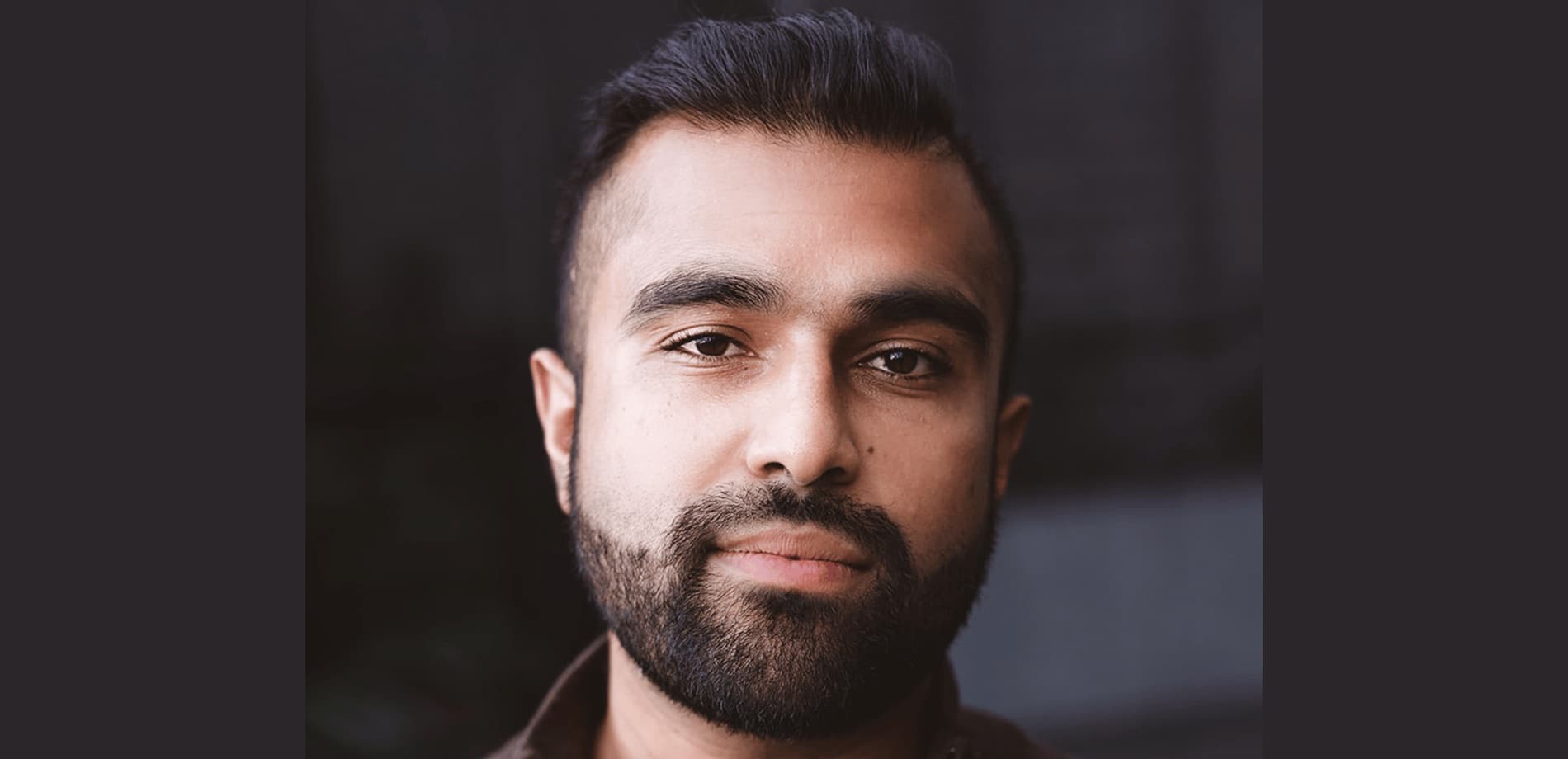
This week's Founder Friday features a former Facebook and Snapchat engineer who bootstrapped his startup through three pivots before figuring out who actually wanted to buy it.
Alok Gupta started AutoReel with a simple insight: real estate agents know video helps listings perform, but at $500 to $1,000 per property, professional video only makes sense for a fraction of the market.
His breakthrough came when he realized his best customers weren't individual agents, but real estate photographers and media companies. Instead of selling one video at a time, AutoReel could power businesses producing 50 or 100 videos at a time and give them a new service to resell to their existing customers.
What founders can steal from this:
- Look for the customer who needs your product 100 times, not once
- Staying bootstrapped gives you room to pivot
- Build quickly, test assumptions, and double down when the market gives you a signal
Here's what Alok shared about building AutoReel, going 11 months without a paying customer, and finding his real power users.
What is AutoReel, and who is it for?
I'm building AutoReel. We create AI listing videos for real estate agents, team leads, brokerages, and even real estate photographers and media companies.
Everyone needs to do content and marketing these days, and agents have been trying forever, especially property videos. The problem is that video runs $500 to $1,000 a pop, so most agents only do it for the top 20% of their listings. There's a gap of 80% of listings where they want video but can't justify the fees, the coordination, the scheduling, the overhead. That's the gap we're solving. With AI listing videos, they can do content every time: grow their business, get more leads, sell more houses, and sell them faster for a higher amount.
Does video actually move houses faster?
NAR, the National Association of Realtors, published a report showing that listings with video got a 403% increase in engagement, and therefore showings, versus listings with just photos. Because of that engagement, those houses typically sell 20 to 30% faster. And a lot of our clients use virtual staging, which is proven to increase sales price by 6 to 10%.
Pull it all together: more listings from better marketing, more engagement and showings, faster sales at higher prices. It's a no-brainer. But before AI, it cost too much and took four or five days of scheduling. One of our clients, a luxury realtor in San Diego, spent $7,000 on a single property video. Her commission paid for her entire year, so it was worth it at that tier. The rest of the market never had access to that.
How did an ex-Facebook engineer end up in real estate marketing?
I spent most of my career in product and engineering roles at Facebook and Snapchat, helping businesses grow their revenue and brand through social media. Video is the name of the game. We literally ranked videos higher at Snapchat and Facebook. So I knew anyone serious about their business needed to invest in it.
Then I took all my money and put it into real estate. Immigrant logic: real estate is real, stocks are not real. Classic brown dad wisdom. I bought as much real estate as I could and spent time with realtors across the Bay Area, Palm Springs, and Austin. I saw how much they struggle with marketing and video. They know they need it. Their brokers tell them to do it. But it's $1,000, they might only make five or ten grand off the listing, they don't know when the next one is coming, and they're all contractors. That's when I identified the gap and started building.
How did you find your real ICP?
We started December of 2023, before the explosion of AI tools and vibe coding, so it took a year and a half to build from the ground up. We didn't sell to a single customer for 11 months. November of 2024 we got our first customer, and then we went hunting for the power customers: the ICP that uses this again and again, rather than the onesie-twosies who kick the tires and churn.
The power users turned out not to be real estate agents, which was our original hypothesis. It was real estate photographers and media companies that serve agents. They give us distribution. They buy our videos for, say, $20 and resell them for $100 to $150. And they need 50 or 100 of these, compared to a great realtor doing one a month.
Once we locked in that ICP, it's been product-led growth. We do organic marketing, paid ads, SEO and AEO to drive traffic, but the product sells itself. Free seven-day trial, people create their first listing video, love it, buy it, stay, and refer their friends. Then a brokerage leader comes back and says, "I want 200 seats, 500 seats." Seat expansion from there.
Why is Austin a hotbed for AutoReel?
Our two hot markets are Florida and Texas, and we have a bunch of customers right here in Austin. Real estate is booming in Texas to begin with, but I think we have so many Austin customers because this city is the intersection of business owners who also have the hustle and drive to try new tools and creative ways to grow. That's how they stumble into AutoReel.
Austin itself is special because it's such a diverse community of entrepreneurs from different walks of life. Not purely tech founders, not purely finance people like New York. It's a mix of people with hustle and grit, and a lot of transplants who came here to figure it out together in this special little bubble.
They've also just figured out how to build housing here. I saw a recent stat on units built: Austin, over 4,000. San Francisco, 300. That alone tells you who's buying and selling these properties, and why the builders and developers are building.
What's your advice for entrepreneurs right now?
Right now is such a golden window. You can go build anything, at least the MVP of whatever you think the longer-term business will be. If it's software, build an MVP quickly with tools like Lovable or Claude Code. If it's an agency or a service, figure out your ICP and hand-deliver the first few customers yourself. The barrier to entry is so low that people have no excuses for not getting started.
There are a lot of wantrepreneurs out there. The ones who actually do it are the ones with true interest, willing to hustle and give it a shot, knowing you can pivot and iterate quickly. AutoReel itself has been three different pivots. We move quickly, take a bunch of bets, see what's working, and double down. You couldn't do this four years ago. You'd have needed to raise $10 or $20 million. We've done this bootstrapped, no money raised, because the tools let you move that fast.
How can the Austin community help?
Alok wants to connect with Austin real estate agents, team leads, brokerage leaders, and especially real estate photographers and media companies looking to add AI listing videos to what they already offer clients.
He's also happy to swap notes with founders building bootstrapped AI products, especially anyone still figuring out their real ICP, distribution model, or next pivot.
Where can people learn more?
Connect with Alok on LinkedIn, follow AutoReel on Instagram, and try the free seven-day trial at autoreelapp.com.
Want more founder stories?
Subscribe to get weekly interviews and Austin startup news.