DRVN Community
How Leon Hendrix Turned Creator Burnout Into a Community Business
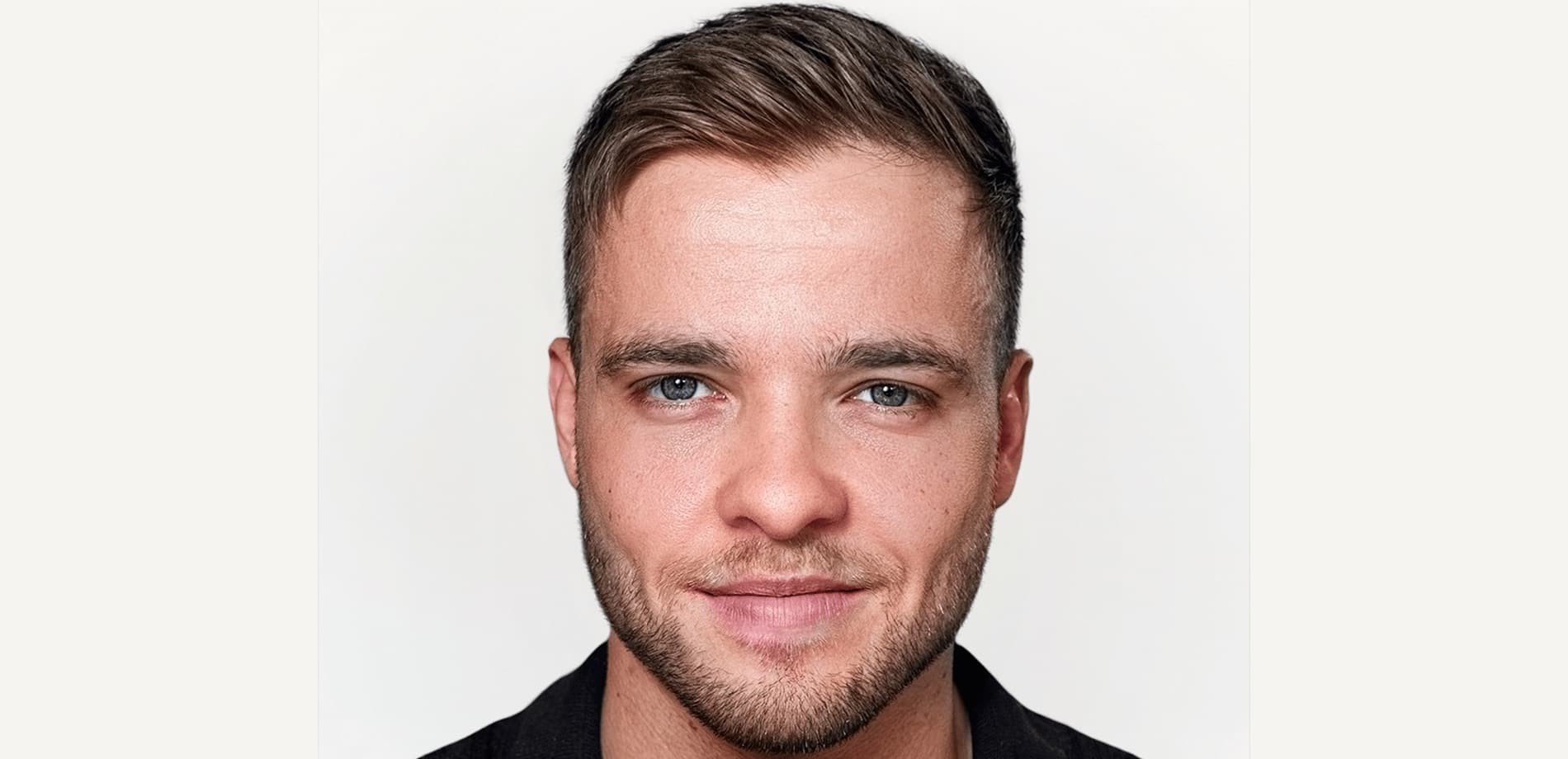
This week's Founder Friday is about a creator who burned out chasing the solo creator treadmill, took two years off, and came back with a different bet: make the community itself the content.
Leon Hendrix used to make high-production self-experiment videos on YouTube — the kind of content that's expensive to produce, hard to scale, and easy to burn out on, until he did.
He still proudly calls Austin home because of the city's unusual creator culture: ambitious enough to support people chasing big ideas, but grounded enough to still make room for throwing a frisbee at the park on a Sunday.
Now, after a two-year break, he's back with a different focus: DRVN Community, an online group where members support each other on health and business goals — and it all happens on camera.
What founders can steal from this:
- Treat the community as the content
- Turn customer FAQs into YouTube videos
- Niche down until 500 right viewers can move the business
Here's what Leon shared about community-as-content, what YouTube teaches you about business, and why Austin is built for creators...

What are you building in the creator economy right now?
We have a community for people who help each other achieve their goals, and we document it on YouTube. I've been through a whole journey on my channel. I used to make high production videos doing self experiments. I always wanted to build a community that was online and, ideally, in person once it reached a big enough scale.
I took a two year break from the channel because I burned out, and it didn't work out the way it needed to for the business to work. But I'm back. Building the community is a blast, because instead of talking about personal development and "here's how to take action," we're just doing it, with real people, moving through actual challenges. We're figuring it out as we go.
A lot of members are working on growing their business or transforming their health. Some are multimillion dollar entrepreneurs who already have a successful business and want to enjoy their life more. What usually gets in the way is a story, a fear, or an old pattern. Rewriting that pattern takes time, but doing it alongside people in a similar position, with similar challenges, going in the same direction, makes it much easier and a lot more fun.
How did you go from solo self-experiment videos to building a community?
I always wanted to do both, but I could never fit them into one bucket. I had a fear of being seen as a guru or a high performance coach. I never wanted to position myself as an expert selling you information. I always wanted it to feel like, "I'm figuring this out the same way you are, and we'll have a much better time doing it together."
What I'm doing now combines the two. What happens in the community is the content. All the information is already out there for free. There's nothing new or novel about it. The community is where we actually go and do it. We support each other, hold each other accountable, build momentum together, and have fun.
What has YouTube taught you about building a business?
When you learn the skill of making great content, making something clickable, interesting, capturing attention, getting people engaged enough to watch for a while and eventually take an action that's a measurable change in their life, you have insane power. When you can capture attention, hold it, and get people to come back, you control thousands, tens of thousands, maybe millions of eyeballs. From there, you can build any business.
Any business I'd build now, I'd start with YouTube. Once you learn what makes people tick, how to make something valuable, how to tell a story, you can use it for any kind of business. If I wanted to start a software company, I'd need a technical co-founder, but I'd be the distribution person and figure it out through content. Same with a service business or a community. It's an absolute game changer.
Why is content uniquely powerful as both product and distribution?
That's where you get crazy economies of scale. When you're an entertainer and you make something great that actually captures people, you make way more money, because the product is the distribution.
If you have a service business in Austin, remote or in person, make content part of the product. Educate your customers. Give them the information they need to solve the problem themselves, but ideally it's complex enough that they still need your help, and they hire you to actually do it. That's the best strategy. Everyone always says, "Give all the information away for free." Actually do it.
What's the strategic minimum for a business owner who wants to start creating content?
Talk to your existing clients. What are their biggest challenges? What are their biggest questions? Instead of solving them through customer service, make a YouTube video about each one. Start by using YouTube as a video hosting platform for your customer support or testimonials.
If you make those a little more engaging, you have something to point people to who are interested in your service or product. It doesn't need views. It doesn't need to be optimized. When a lead comes in, you point them to the channel. Notice the biggest objections, concerns, and problems your prospects bring up and make a video addressing each one.
The more specific and niche you are, the more likely you'll reach the right people, because YouTube is incredible at figuring out who specific content is for. The more niche you go, the easier it is to actually get results. Don't compete with people who have millions of subscribers, or even 100,000. Getting 500 views per video weekly will change your business, if it's the right 500 people.
Why is Austin a hub for content creators?
A ton of creators are in Austin. It's an incredible hub for YouTube creators and podcasters. We have South by Southwest. A lot of people come into the city for podcast tours, and it's easy to say, "You're coming into Austin to go on this podcast and that podcast. Want to come on mine too?" I can't imagine being in a different city.
Beyond density, Austin celebrates entrepreneurship without it being at the expense of your personal well-being. The culture is go after your dreams, do what you want to do, but also go to the park on Sunday and throw a frisbee. It attracts people who want both. They don't want the crazy hustle lifestyle of New York. They don't want the status games of LA. It's a healthy medium.
Which people, communities, or companies have been most supportive for your growth in Austin?
Honestly, Squatch is a nice gym. The thing is, I want sunlight, and I also want to work out. Squatch lets me do both. When I want a break, I just go to Squatch and get sunlight. I don't live nearby anymore, so I'm at a different gym now, but shout out to Squatch.
What advice do you have for Austin business owners specifically?
You live in a city that brings great podcasters and creators together. There's an opportunity to partner with influencers who live here. They'll do distribution for you if you give them a great deal and your product aligns with their audience. When you can meet someone in person, you get a real feel for who they are and whether you share values. You live in a city full of people with audiences. That's something to look at.
How can the Austin community help?
Leon wants to connect with video editors and video producers.
Where can people learn more?
Watch Leon's video on the success versus happiness dilemma (just the first minute shows what he does), subscribe to his YouTube channel, join the DRVN Community, and sign up for his newsletter.
Want more founder stories?
Subscribe to get weekly interviews and Austin startup news.