Curios
How Austin's Curios Eliminates Greedy Publishing Platforms

This week's Founder Friday is about a platform giving creators back the revenue and relationships that traditional publishing has taken for decades.
Curios is a direct sales platform for creators of premium content — authors, musicians, filmmakers, and podcasters — letting them sell directly to their audience and keep what they earn.
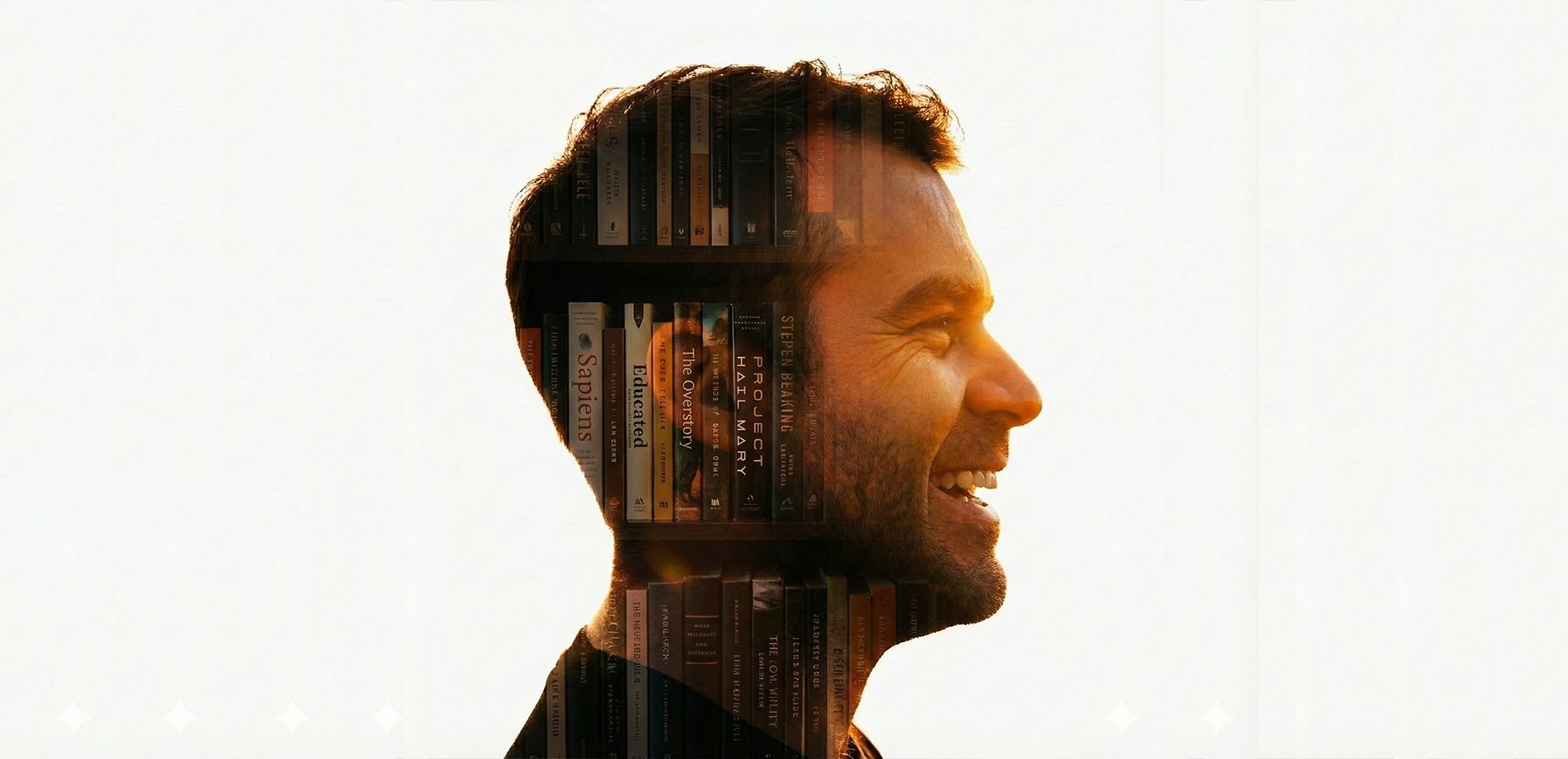
What are you building and who is it for?
We're building a company called Curios. It's a direct sales platform for creators of premium content.
By "premium content," I mean authors, musicians, filmmakers, podcasters, anyone creating something of lasting value. This is different from typical social media content, which is often more disposable. Premium content is something people return to over time.
The "direct sales" part is exactly what it sounds like. We enable creators to sell directly to their audience. For example, an author can sell a book directly to a reader. The author keeps the revenue and owns the customer relationship. That's the core of our system.
What made this problem impossible for you to ignore?
It's one of those problems that seems small at first but grows the more you look into it.
In music, everyone knows it's hard to make money. If someone says they want to become a musician, the first reaction is usually concern about financial stability.
But I realized this issue extends across all creator industries. Creators are often not receiving a fair share of the revenue their work generates.
A turning point for me was with Morgan Housel's book The Psychology of Money. I preordered it to support him, since I had benefited from his writing for years. Later, I learned he likely earned only a small fraction of that sale.
Another moment was reading Brandon Sanderson's breakdown of audiobook economics. That made it clear this was an industry-wide issue. That's when I decided to work on a solution.
In music, producers take a cut. In publishing, publishers take a cut. Even with self-publishing, platforms like Amazon take a large percentage.
Exactly. Amazon might take around 60% on a paperback. Roughly half goes to printing costs, which makes sense. The other half is the platform's margin.
The issue is that creators are often responsible for driving sales themselves through their own marketing, yet platforms still take a significant cut.
We want creators to keep more of the revenue and also own their audience data. If you know who your customers are, you can market future work much more effectively without starting from scratch each time.
What about growth?
Over the past year, we've really refined the platform. Since then, we've added around 12,000 creators. Of those, about 8,000 are producing high-quality content and generating meaningful engagement.
On the user side, we've added roughly 800,000 users in that same period. Most of that growth comes from creators promoting their own work.
Are there any early experiences that really stood out?
In the early days, before we had many users, I spent a lot of time meeting musicians one-on-one and explaining what we were building. Many of them were excited to try it.
Once they joined and started seeing early success, it created a great feedback loop. I could onboard users and get direct feedback very quickly. In one day, I could meet multiple musicians and get detailed insights. That kind of rapid iteration was only possible because everyone was local.
Is there discoverability on the platform?
Yes. Creators get their own dedicated pages, similar to a Shopify storefront. But we also have a marketplace where users can discover new content.
For example, if someone reads a book in a specific genre, we can recommend similar content.
Right now, less than 5% of transactions come from platform-driven discovery. Our goal is to increase that to over 30%, so creators benefit from both their own marketing and our discovery engine.
What's working better than expected right now?
The book category is growing organically. We're seeing authors join, sell well, and succeed without us directly reaching out to them.
I believe this is driven by a flywheel effect. Authors promote their work, other authors see that, and then join the platform themselves. It's been a pleasant surprise.
What advice would you give to other founders?
Talk to your customers.
Many founders rely too much on tools or research and don't spend enough time directly engaging with users.
Even if you don't follow every piece of feedback, understanding your users deeply is critical. Iterating quickly based on real conversations is how you build a product people love.
What are your biggest goals this year?
Growth is the top priority, bringing more creators onto the platform.
The second goal is increasing organic sales through better discovery. As creators see results, they'll naturally recommend the platform to others, which fuels growth.
Has anything in Austin been especially helpful?
Yes, Sonic Guild has been incredibly helpful. They provide grants to early-stage musicians, helping them fund tours, recordings, and other expenses.
Matt Ott, who led Sonic Guild when we met him, gave us deep insights into the industry and helped us design a grant program.
He emphasized the importance of both talent and hustle. That framework helped us attract the right creators and build momentum in the music space.
What makes Austin a great place for this?
Austin is a major hub for creators, especially in premium content. It's arguably the top city for comedy right now. There are many authors here or nearby, and the music scene is one of the strongest in the U.S.
Because of that, I can meet highly influential creators regularly, explain what we're building, and they're often immediately interested. That proximity has been hugely valuable.
Can you talk about the scale of Curios?
Initially, we focused on music because it had the biggest opportunity for improvement. But we realized our system works for any type of digital content: audio, video, books, tickets, bundled content, and more.
Now, creators can package anything they want, whether it's a mix of video, audio, and written content, or even physical products alongside digital ones.
We've seen strong traction across multiple verticals, especially books and music.
Anything I should have asked that I didn't?
One important point is how outdated traditional publishing and media models are.
Many creators still believe the goal is to get signed by a major publisher or label. In reality, those deals often don't provide meaningful long-term benefits.
Today, creators already have access to their audience through social media. They are the primary drivers of their own success.
If you build an audience and sell directly, you retain control and leverage. If you later choose to work with a publisher, you can negotiate much better terms.
The key shift is recognizing that creators now have the tools and power that used to belong to large institutions.
Where can people learn more?
Check out Curios or connect with Greg on LinkedIn.
Want more founder stories?
Subscribe to get weekly interviews and Austin startup news.